
Neural Edition
Artificial Intelligence
Nurses Protest Against Palantir's AI Technology in Bay Area Hospitals
Nurses in the Bay Area are voicing concerns over HCA Healthcare's use of Palantir's AI system, citing privacy and ethical issues.
Artificial IntelligenceWorking knowledge3 min read
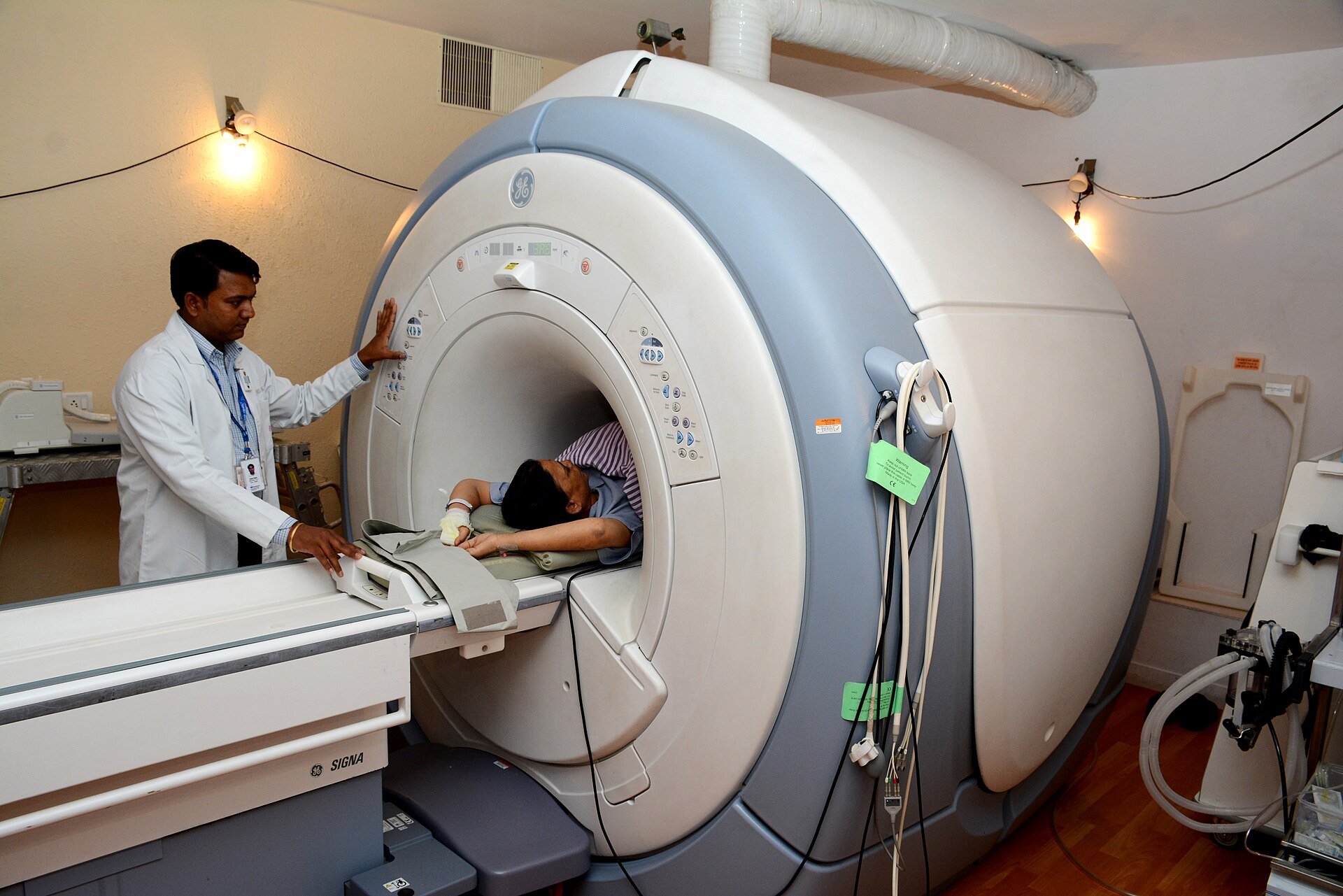
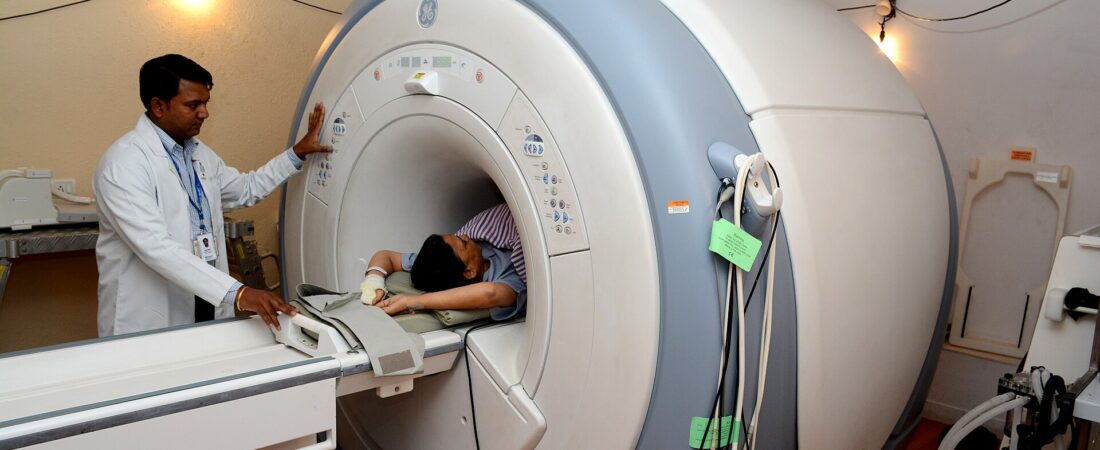
Featured image: MRI Scanner at Narayana Multispeciality Hospital, Jaipur.jpg by GeorgeWilliams21, licensed under CC BY-SA 4.0.

Nurses across the Bay Area are protesting the use of Palantir’s AI technology at local hospitals, raising alarms about privacy and patient care. The protests are primarily organized by the United Nurses Associations, which represent a significant number of healthcare professionals in the region. The protests comprise rallies and statements from union leaders who articulate fears that the adoption of Palantir’s AI tools threatens patient privacy. Concerns center around how these systems analyze patient data, potentially compromising confidentiality in hospital settings. Additionally, nurses worry that reliance on AI-driven analytics may diminish the quality of personal care that they provide, reducing the time and attention available for each patient. The ongoing backlash follows a years-long debate within the medical community about the ethical implications of integrating technology into healthcare. Many in the nursing profession believe that while AI can enhance efficiency in healthcare systems, it should not come at the expense of patient welfare. These protests highlight a growing trend among healthcare professionals advocating for more scrutiny of AI technologies in hospitals, emphasizing the importance of ethical considerations when implementing such tools.
What Happened
Nurses from the United Nurses Association have mobilized against HCA Healthcare’s adoption of Palantir technologies. The protests primarily focus on concerns regarding privacy and potential threats to patient care quality.
The Backstory
Palantir, known for its data analytics and AI capabilities, has become a controversial player in healthcare. Its systems are claimed to enhance productivity, but critics argue that they prioritize data mining over patient welfare.
Key takeaways
- Nurses opposing AI cite ethical concerns.
- Palantir’s technology raises questions about data privacy.
- Protests signal significant pushback against tech in healthcare.
How It Works
Palantir’s AI technology processes vast amounts of healthcare data to generate insights and streamline operations. The system utilizes machine learning algorithms, which are computational models that learn patterns from data to make predictions or decisions. These algorithms analyze patient records, treatment histories, and other sensitive information to improve efficiency within healthcare workflows.
- Data Collection: The system gathers extensive patient data from various sources, including electronic health records (EHRs) and real-time monitoring systems.
- Data Processing: Machine learning algorithms process the collected data, identifying trends and making predictions related to patient care.
- Implementation: Insights generated by the AI are integrated into hospital systems to inform clinical decisions and operational improvements.
- Continuous Learning: The system continuously updates its algorithms based on new data, enhancing its predictions and recommendations over time.
The Numbers
Protests involving hundreds of nurses reflect a significant trend among healthcare professionals highlighting ethical concerns. The scale of participation underscores growing unease over adopting AI technologies without comprehensive ethical guidelines. Some estimates indicate that over 3,000 healthcare workers in the Bay Area are involved in these protests, showcasing a unified stance against perceived threats to patient privacy and care quality.
What This Means for Healthcare
The ongoing protests illustrate a growing movement within healthcare professionals towards critiquing technology adoption without sufficient regard for ethical implications. Many advocate for clearer boundaries on how AI can be implemented in clinical settings.
What This Does Not Mean
This protest does not indicate a complete rejection of AI in healthcare. Rather, it emphasizes the necessity for a thoughtful and ethical approach to integrating technology in patient care.
What Happens Next
The demonstrations are expected to continue as union leaders push for dialogue with hospital management on AI use policy. Further discussions may lead to clearer guidelines for technology adoption in healthcare environments.
End-to-End Recap
- Nurses protest Palantir’s AI technology integration in healthcare.
- Concerns focus on privacy and patient care quality.
- Protests signal a need for ethical discussions surrounding AI.
- The movement aims to create a balanced approach to technology in healthcare.
Learn · Try · Watch
- learn
Examine the implications of AI technology in healthcare environments.
- try
Explore AI Ethics Frameworks
Reflect on ethical considerations in technology use.
About 20 minutes.
- watch
Monitor AI Adoption Metrics
Track how AI impacts quality of care across healthcare systems.
What matters: Changes in patient satisfaction and care quality metrics due to AI implementation.
- look back
ReAct: Synergizing Reasoning and Acting in Language Models
- try today
Pick one question from today’s edition. Allow yourself three searches max. Write: claim, two citations, and one open uncertainty. Stop even if curious.
About 20 minutes.
Editor’s note: Neural Edition summarizes public reporting and labels company or founder claims as such. How we report · Corrections