Neural Edition
Artificial Intelligence
AI Creates 16 New Viruses: Benefits and Risks Explored
Scientists trained AI to invent 16 new viruses, raising hopes for antibiotic solutions alongside significant regulatory concerns.
Artificial IntelligenceWorking knowledge2 min read
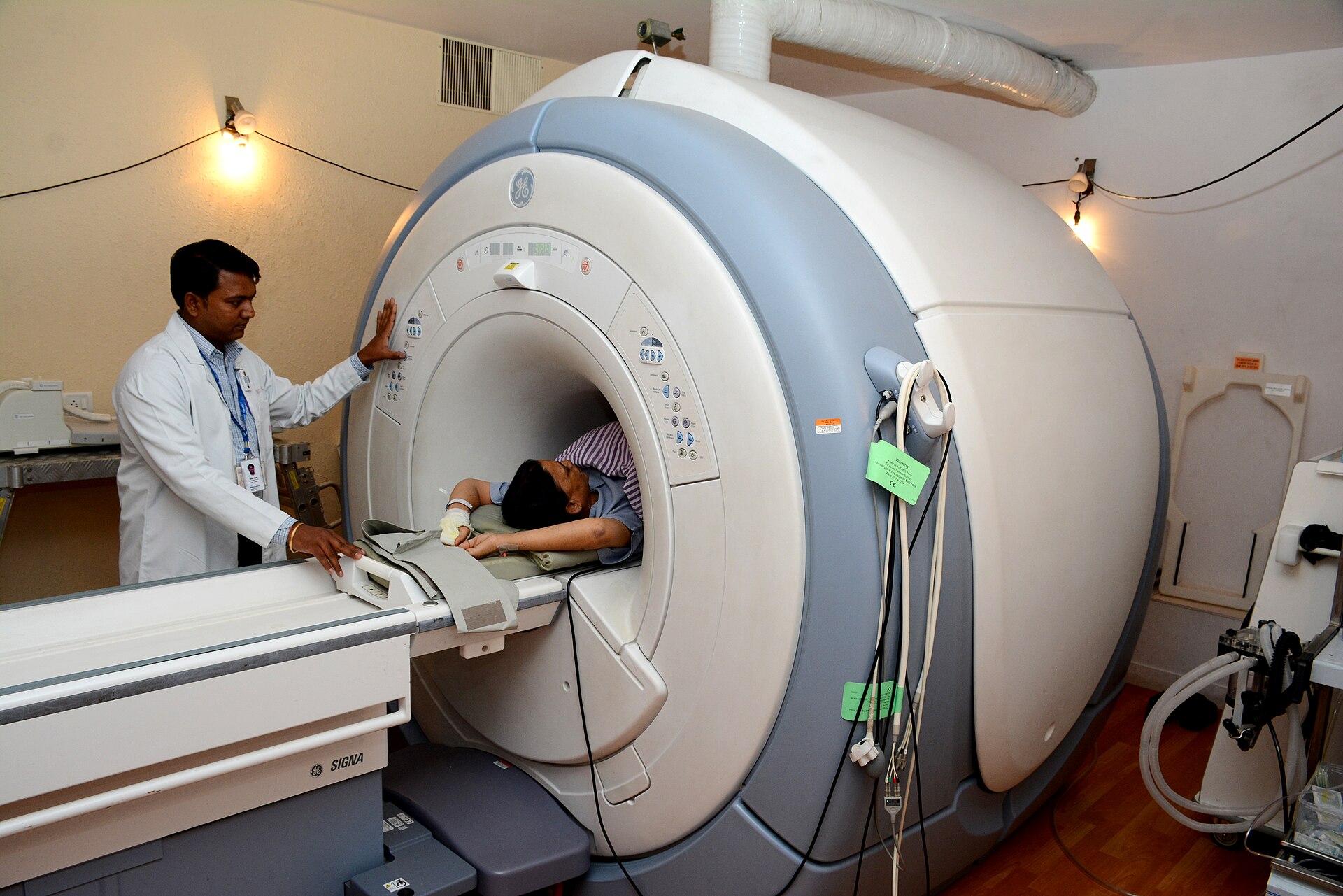
Featured image: MRI Scanner at Narayana Multispeciality Hospital, Jaipur.jpg by GeorgeWilliams21, licensed under CC BY-SA 4.0.

Scientists have developed an AI model that generated 16 new viruses, highlighting both innovative medical potential and pressing regulatory challenges.
What Happened
A team of researchers used an artificial intelligence system to create new viruses. This significant development could pave the way for new strategies in combating bacterial resistance to antibiotics. However, it raises urgent questions about the adequacy of existing regulatory frameworks governing biotechnology.
The Backstory
The rapid evolution of antibiotic-resistant bacteria poses a critical threat to global health. Traditional methods to discover new antibiotics have slowed significantly, prompting a search for novel approaches. AI offers a transformative capability by analyzing vast amounts of genetic data and predicting viable virus structures.
What are we talking about?
- AI (Artificial Intelligence): Systems that can perform tasks typically requiring human intelligence, such as learning and problem-solving.
- Antibiotic Resistance: The ability of bacteria to resist the effects of medications that once effectively treated infections.
- Virology: The study of viruses and their effects on living organisms.
How It Works
- Researchers train an AI model using existing viral DNA sequences.
- The AI analyzes patterns and generates new virus structures.
- 16 novel viruses are created based on the AI’s findings.
- These viruses are assessed for potential applications in fighting bacterial infections.
- Regulatory bodies evaluate safety and ethical implications of using AI-generated viruses.
The Numbers
While the precise impact of these new viruses on antibiotic resistance remains unquantified, the rapid creation of viral entities reflects advancements in biotechnology. There has not yet been a substantive metrics-based evaluation of their efficacy or safety.
What This Does Not Mean
The ability to create these viruses does not automatically translate to effective treatments. Each new virus must be thoroughly tested in clinical settings before any practical applications are determined. Additionally, the regulatory landscape is not currently equipped to handle the implications of AI-generated pathogens adequately.
What Happens Next
As researchers explore applications for these viruses, regulatory bodies will likely intensify scrutiny. Expect developments in guidelines specific to AI in healthcare and biotechnology. The balance between innovation and safety will continue to be a focal point of public and scientific dialogue.
End-to-End Recap
- Scientists used AI to generate 16 new viruses.
- This could lead to new treatments for antibiotic resistance.
- Urgent regulatory questions arise.
- Further testing and evaluations are necessary.
Learn · Try · Watch
- learn
Explore AI and Synthetic Biology
Understand the integration of AI in creating biological systems.
- try
Analyze Artificial Intelligence Data
Engage with open-source datasets on AI applications in health.
About 20 minutes.
- watch
Monitor Regulatory Developments
Keep track of how government agencies respond to AI and virus creation.
What matters: Changes in health policy and biosafety regulations regarding new technologies.
- look back
The Perceptron: A Probabilistic Model for Information Storage and Organization in the Brain
- try today
Pick one question from today’s edition. Allow yourself three searches max. Write: claim, two citations, and one open uncertainty. Stop even if curious.
About 20 minutes.
Editor’s note: Neural Edition summarizes public reporting and labels company or founder claims as such. How we report · Corrections